Source Anti Cellulite Lymphatic Drainage Massager for Home Salon Commercial
Compare 30 anti cellulite lymphatic drainage massager options from verified suppliers. These devices support weight loss, pain relief, and lymphatic drainage for home, salon, and commercial use with customizable features.
Key considerations
Products List








Comprehensive Sourcing Guide
Strategic Sourcing Guide for Anti-Cellulite Lymphatic Drainage Massagers
Understanding Product Categories and Core Technologies
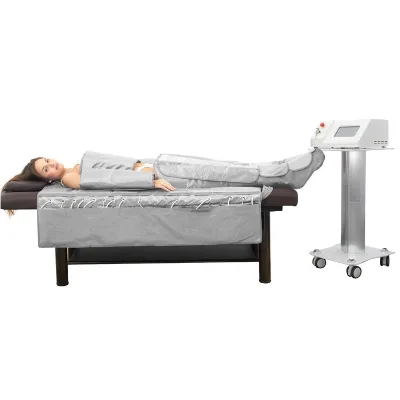
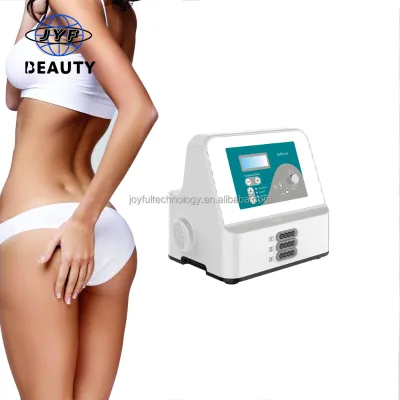
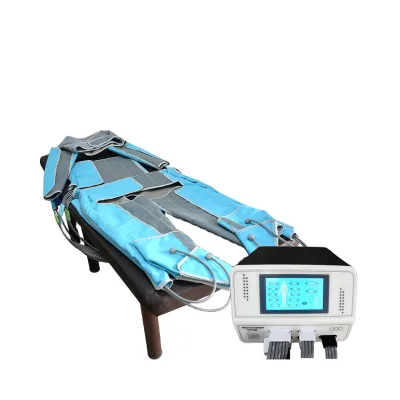
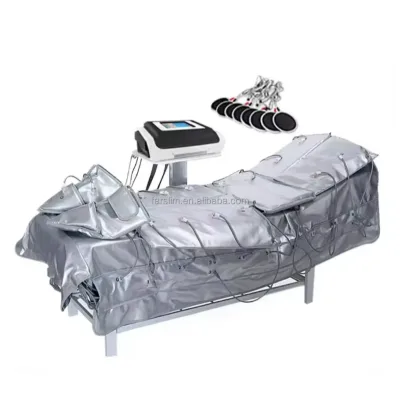
The market for anti-cellulite lymphatic drainage massagers is defined by a convergence of mechanical compression technology and therapeutic application. Buyers must first distinguish between the primary operational mechanisms observed in current listings, as these dictate the device's efficacy and target market. The dominant technology identified in the supply base is Air Pressotherapy, also referred to as Vacuum technology in specific contexts. This mechanism utilizes inflatable air bags to apply rhythmic pressure to the body, mimicking the natural muscle pump to facilitate lymphatic flow.
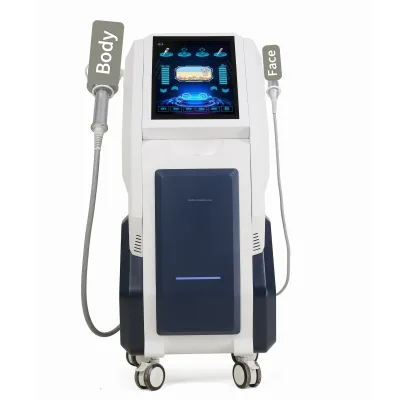
A critical observation in the current product landscape is the variation in application focus. While the core keyword emphasizes cellulite reduction and lymphatic drainage, product attributes frequently list additional functions such as weight loss, pain relief, edema removal, and skin tightening. For instance, specific models are explicitly categorized as "Breast massage" units or general "Slimming Machines," while others are designated strictly as "Pressotherapy Machines." This diversity requires buyers to verify that the specific unit's claimed functions align with their intended use case, whether for a commercial salon, a home environment, or a clinical setting. The technology generally operates through a system of air pressure power, with observed ranges extending from 20 to 360 mmHg, allowing for adjustable intensity levels suitable for different body parts and user tolerances.
Technical Specifications and Operational Parameters
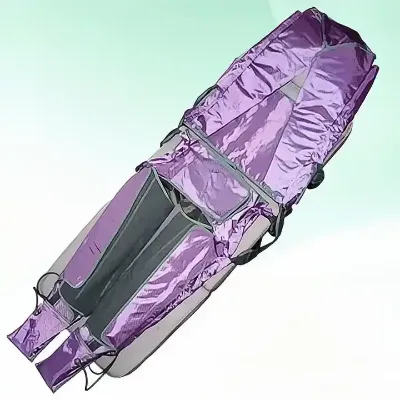
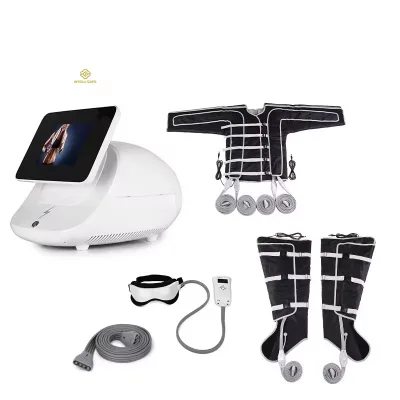
When evaluating the technical specifications of these devices, buyers should focus on the structural composition, power requirements, and physical dimensions. The materials used in construction are a primary indicator of durability and safety. The supply chain currently features units constructed from a combination of ABS plastic and Stainless Steel, providing a robust frame, while the internal compression components often utilize Nylon for the air bags. The presence of 18-piece air bag configurations is a common specification, designed to cover major treatment areas including the thigh, knee, tendon, and joint.
Power compatibility is a significant logistical consideration for international procurement. Devices in the current market are frequently designed with dual voltage capabilities, supporting 110V/220V at 50-60Hz, which facilitates deployment across different regional grids. However, the plug type remains a specific constraint; observed units often feature US-style plugs, necessitating the use of adapters or specific voltage converters for markets with different electrical standards.
Physical specifications vary widely based on the intended application. Commercial-grade units often have substantial dimensions, with single package sizes reaching up to 59x58x42 cm and weights approaching 30 kg. In contrast, portable models are designed for flexibility, with some specifications indicating a weight of 30,000g (30 kg) for the gross unit, while others emphasize portability. The operation system is consistently identified as "Pressotherapy," utilizing a mode count that can range from 4 distinct settings to allow for varied treatment protocols. Buyers must verify the exact model number, such as TH247-B, ALS313-B, or B-8350, as these identifiers often correlate with specific standard dimensions and weight capacities, such as 50x108x45 cm for certain commercial configurations.
Compliance, Certification, and Safety Standards
Navigating the regulatory landscape is essential for importing medical or therapeutic devices. While the supply data indicates a general awareness of certification requirements, specific certification statuses for individual units should not be assumed without direct verification from the supplier. The only certification explicitly mentioned in the background data is CE, which is a standard requirement for products entering the European market. However, the absence of other specific certification data in the provided context means buyers must independently request documentation for their target market.
Buyers should verify that the device meets the safety standards of the destination country. For instance, electrical safety standards vary significantly between North America, Europe, and Asia. The presence of a "Flight Case Packaging" option suggests that some suppliers anticipate the need for robust protection during international shipping, which often correlates with higher compliance expectations. The warranty period observed in the market is typically 1 year, which serves as a baseline for the manufacturer's confidence in the product's longevity. It is crucial to confirm whether the warranty covers the air bags, the compressor, or the entire system, as these components have different failure rates.
Cost Drivers and Pricing Dynamics
The pricing structure for anti-cellulite lymphatic drainage massagers is influenced by several key factors, including material quality, technological complexity, and packaging. The observed price range in the market is extensive, spanning from approximately $23.98 to $3,299. This wide disparity suggests a segmentation between entry-level or simplified units and high-end commercial systems. The lower end of the price spectrum may correspond to basic models with fewer air bag configurations or simpler control systems, while the higher end likely reflects units with advanced features, dual voltage support, and durable construction materials like stainless steel.
Minimum Order Quantity (MOQ) is another critical cost driver. The current market data indicates an MOQ range of 1 to 50 pieces. This flexibility allows small businesses or individual buyers to procure single units for testing or immediate use, while larger orders may unlock volume discounts. The "Single item" selling unit attribute suggests that many suppliers are willing to ship individual units, which is beneficial for buyers who do not wish to commit to large inventory volumes immediately. However, buyers should be aware that the unit price may decrease as the order quantity increases, particularly when moving from single-item purchases to bulk orders that justify the logistics of flight case packaging.
Typical Applications and Market Segmentation
The application of these devices is diverse, catering to both professional and personal use cases. The primary market segments identified include Beauty Salons, Commercial facilities, and Home Use environments. Commercial applications often require higher durability and more advanced features, such as multiple pressotherapy modes and higher air pressure capabilities. These units are frequently marketed for their ability to handle high-volume usage in professional settings.
For home use, the focus shifts towards portability and ease of operation. The "Portable" attribute is a key differentiator for this segment, allowing users to integrate the device into their personal wellness routines. The treatment areas covered by these devices are comprehensive, targeting the thighs, knees, tendons, and joints. This broad coverage supports claims related to cellulite reduction, detoxification, and edema removal. The "Release Water" feature of the pressotherapy suit is a specific attribute that highlights the device's role in managing fluid retention, a common concern for users seeking lymphatic drainage solutions.
Supplier Evaluation and Operational Support
Selecting a reliable supplier involves more than just comparing prices; it requires assessing the provider's support infrastructure and operational capabilities. The supply data indicates that suppliers offer various forms of after-sales service, including online support, video technical support, and other unspecified services. This level of support is crucial for troubleshooting technical issues, particularly for complex devices with multiple air bag configurations and pressure settings.
When evaluating suppliers, buyers should look for evidence of customization capabilities. The availability of customization options suggests that suppliers are willing to adapt the product to specific brand or functional requirements, which can be a significant advantage for businesses looking to differentiate their offerings. The place of origin for these products is consistently listed as Guangdong, China, a region known for its manufacturing capabilities in the medical and beauty equipment sector. Buyers should verify the specific factory location and production capacity to ensure the supplier can meet demand fluctuations.
Quality Control and Long-Term Procurement Considerations
Ensuring long-term reliability requires a robust quality control strategy. Buyers should prioritize suppliers who provide detailed specifications on the materials used, such as the combination of ABS and Stainless Steel, and the Nylon air bags. The single gross weight of 30.000 kg for certain models indicates a substantial build, which generally correlates with better durability but also higher shipping costs.
Long-term procurement considerations include the availability of spare parts and the longevity of the warranty. A 1-year warranty is standard, but buyers should inquire about the availability of replacement air bags, compressors, and control panels beyond the warranty period. The "Other Name" attribute, such as "Air Compression," suggests that the device may be marketed under different names in different regions, which can complicate the search for compatible parts. Therefore, maintaining clear communication with the supplier regarding part numbers and compatibility is essential.
Additionally, the standard dimensions and packaging requirements, such as the 62x43x25 cm standard or the 50x108x45 cm configuration, must be factored into logistics planning. Buyers should ensure that their storage and shipping infrastructure can accommodate these dimensions. The "Flight Case Packaging" option is a strong indicator of a supplier's commitment to protecting the product during transit, which is vital for maintaining the device's condition and functionality upon arrival.
Summary of Key Product Attributes
To assist in the final selection process, the following table summarizes the key attributes observed in the current market for anti-cellulite lymphatic drainage massagers. This comparison highlights the variations in specifications that buyers must consider.
| Attribute | Observed Range/Value | Notes for Verification |
|---|---|---|
| Technology | Air Pressotherapy, Vacuum | Confirm mechanism matches intended therapy. |
| Material | ABS & Stainless Steel, Nylon | Check air bag material for durability. |
| Voltage | 110V/220V 50-60Hz | Verify plug type compatibility with destination. |
| Air Bag Count | 18 PCS (Common) | Confirm coverage area matches treatment needs. |
| Pressure Range | 20~360 Mmhg | Ensure adjustable settings suit user requirements. |
| MOQ | 1 - 50 PCS | Negotiate based on volume and budget. |
| Warranty | 1 Year | Clarify coverage scope for components. |
| Application | Salon, Home, Commercial | Match device durability to usage frequency. |
| Origin | Guangdong, China | Verify factory location and export compliance. |
| Packaging | Flight Case, Standard Box | Assess shipping protection needs. |
By systematically evaluating these attributes and maintaining a rigorous approach to supplier verification, buyers can secure high-quality anti-cellulite lymphatic drainage massagers that meet their specific operational and regulatory requirements. The diversity in the market offers opportunities for tailored solutions, provided that due diligence is applied to every aspect of the procurement process.
FAQs
What technology powers anti cellulite lymphatic drainage massagers?
These devices primarily use Air Pressotherapy or Vacuum technology to apply rhythmic pressure. This mechanism utilizes inflatable air bags to mimic natural muscle pumps and facilitate lymphatic flow for effective treatment.
Which materials are commonly used in these massager constructions?
Manufacturers typically combine ABS plastic and Stainless Steel for the frame to ensure durability. The internal compression components often utilize Nylon for the air bags to maintain flexibility and safety during operation.
Can these units operate on different voltage standards globally?
Yes, most units support dual voltage capabilities of 110V or 220V at 50-60Hz. However, buyers must verify the plug type, as many observed units feature US-style plugs requiring adapters for other regions.
How many air bag configurations are typical for these devices?
A common specification includes 18-piece air bag configurations designed to cover major treatment areas. These bags target specific zones such as the thigh, knee, tendon, and joint for comprehensive lymphatic drainage.
What is the typical price range for anti cellulite lymphatic drainage massagers?
The market price spans widely from approximately 23.98 USD to 3299 USD depending on features. Entry-level models often cost less, while high-end commercial systems with advanced features command higher prices.
What warranty periods are standard for these therapeutic devices?
A one-year warranty is the standard period observed in the current supply market. Buyers should verify if this warranty covers the entire system or specific components like the compressor and air bags.